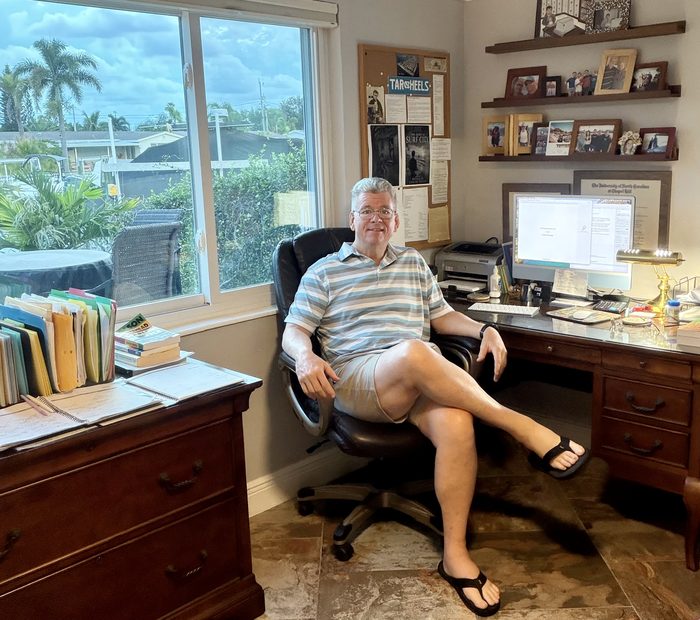
Who is Douglas Childs LaNier?
Douglas Childs LaNier grew up on Long Island and in Miami, developing an early fascination with writing that would remain with him throughout his life. He studied English at the University of North Carolina at Chapel Hill before earning a B.A. in Journalism and beginning his career as an assistant account executive at a major public relations agency in Manhattan.
After moving to Atlanta, LaNier spent the next two decades working for advertising agencies and major corporations in a variety of communications roles. He also served as marketing director for Zoo Atlanta. He later found his professional calling in destination marketing, ultimately leading tourism organizations in Georgia, North Carolina, California, Arizona, and Florida.
LaNier continued writing fiction throughout his professional career. After leaving his last full-time position in destination marketing, he pursued graduate creative writing studies at the University of Tampa and attended the Iowa Writers’ Workshop Summer Program, where he studied fiction with novelist Tom Drury.
Today, LaNier lives on Florida’s Gulf Coast, where he writes novels and short stories.
The Story Behind the Author
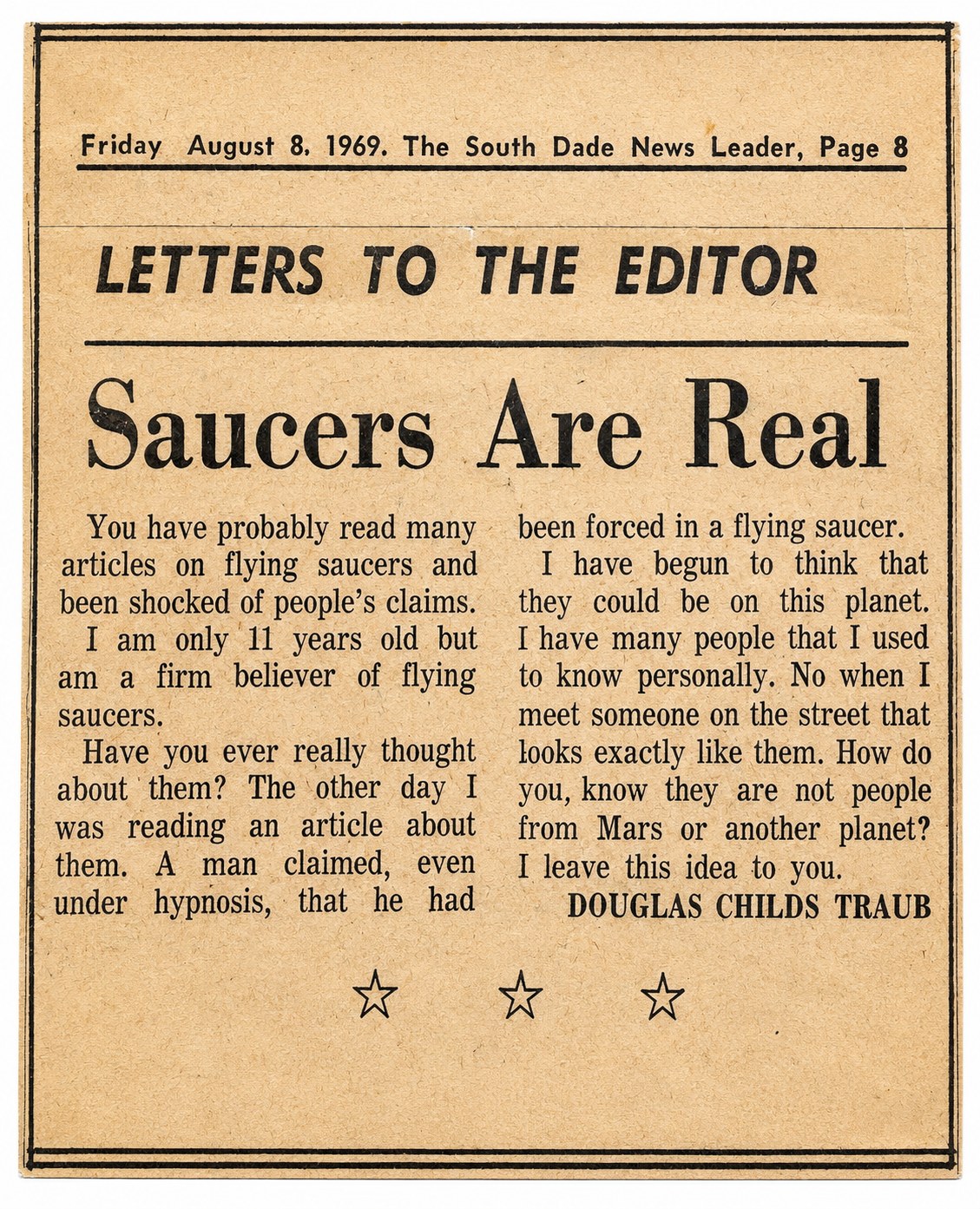
I have wanted to be a writer since I was eleven years old. That’s when my hometown newspaper published my first letter to the editor. It wasn’t Pulitzer Prize material. But it was the first time I discovered that something which had existed only inside my imagination could suddenly exist inside someone else’s too. I was hooked.
My father quietly saved that newspaper clipping. More than fifty years later, shortly before he passed away, I found it preserved among his papers. He and my mother had always encouraged me to read and write. Somehow, he kept that first little piece of evidence all those years.
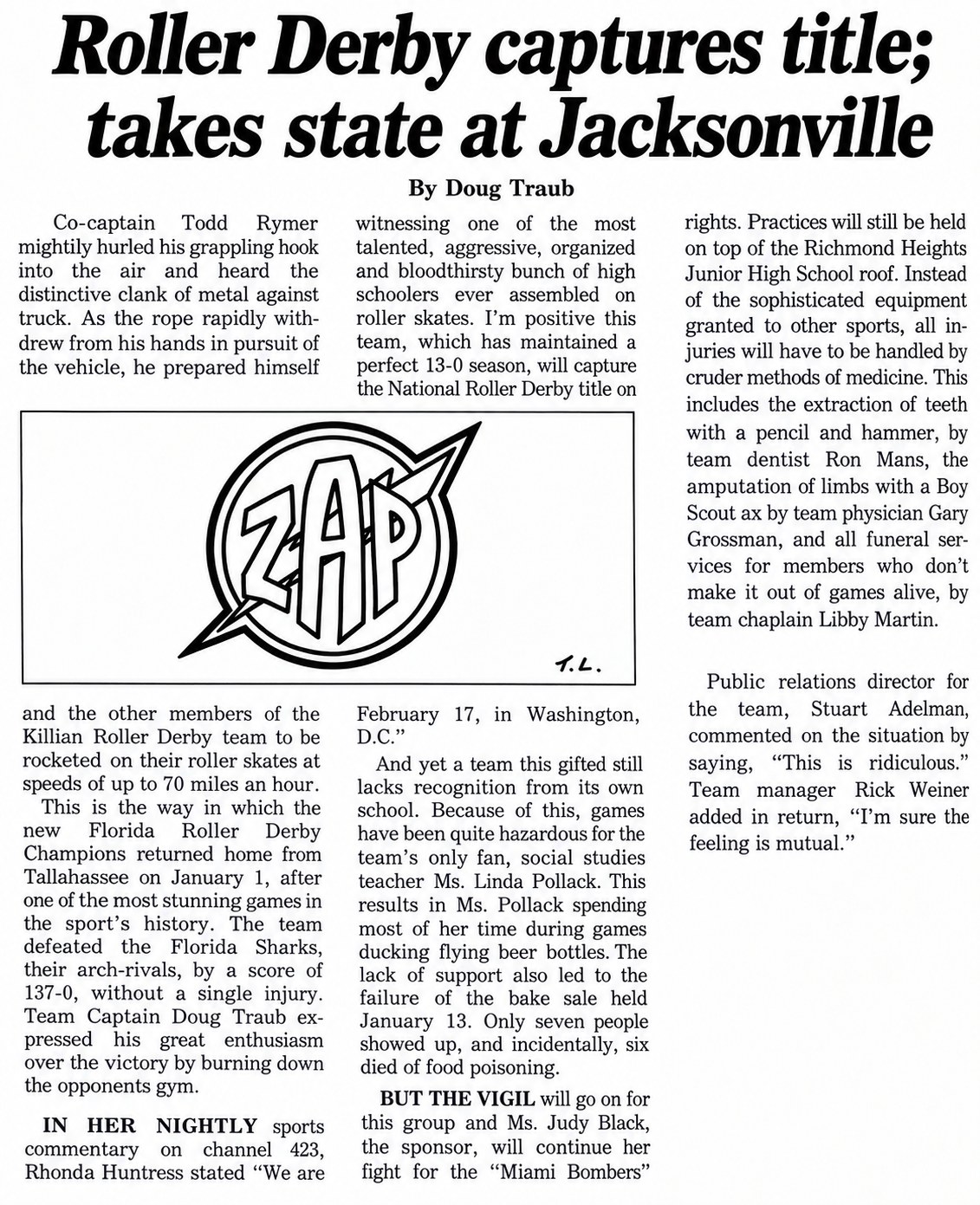
At Miami Killian Senior High School, my journalism teacher, Willa Stone, handed me the keys to the school newspaper. I wrote humor columns, invented absurd stories about fictional roller derby teams, interviewed Santa Claus as though he were a local celebrity, and somehow found comedy in bus rides and unreliable automobiles. I discovered something more valuable than publication. I discovered audience.
There is an indescribable satisfaction that comes from connecting with another human being through something created in your imagination. I have been chasing that feeling ever since.
At the University of North Carolina at Chapel Hill, I discovered my future. For two years I immersed myself in English literature. I fell in love with Fitzgerald, Hemingway, Steinbeck, Wolfe, and the other great American novelists. Near Howell Hall, beside Old East—my dorm during my senior year—a bronze plaque bears a line from UNC alumnus Thomas Wolfe’s Look Homeward, Angel: “O lost, and by the wind grieved ghost, come back again.” I have stopped to read those words more than a hundred times. They have stayed with me, perhaps because I, too, have spent so much of my life returning to places and looking back at the person I once was.
I wanted to remain in Chapel Hill, continue working as a disc jockey at a bar on Franklin Street, and write novels, but my parents believed I should find a profession where writing could provide a dependable living. Just as I reluctantly changed my major from English to journalism, I left the campus for professional work. At the time, it felt like abandoning my dreams. I now understand I was taking the long road toward them.
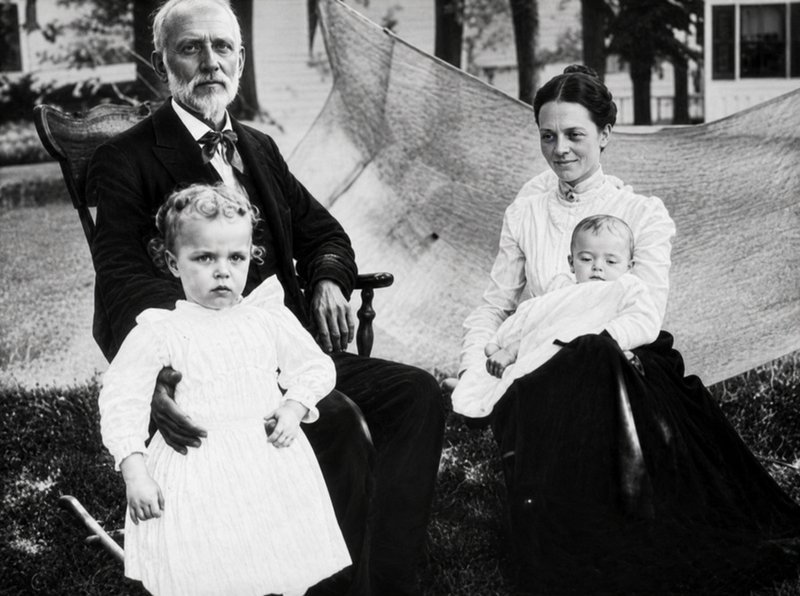
There was a family precedent for taking the long road. More than a century before I headed out into the world, my great-grandfather Harlan Phelps left Boston Harbor with his brothers and sailed around the Cape of Good Hope for California during the waning days of the Gold Rush. He arrived too late for the great strikes, but managed to extract several thousand dollars in gold before returning east. He invested his earnings in what was later renamed the Grafton Inn in Grafton, Vermont, eventually becoming its sole proprietor and operating it for decades.
The inn welcomed generations of travelers, including presidents and some of America’s best-known writers. My grandmother was born in one of its rooms. More than a century later, I stayed in that same room myself.
I didn’t know it then, but I would eventually spend much of my own career in the business of bringing travelers to places. And generations after Harlan sailed west in search of gold, California would have something waiting for me, too.
After I graduated in 1979, I boarded a plane for New York City carrying only a suitcase, five hundred dollars inherited from my grandmother, and a determination to earn a living as a professional writer. My first apartment was little more than a walk-in closet near Columbia University. My first paycheck from a public relations agency barely covered rent. Some weeks my diet consisted of cabbage and popcorn because that was all I could afford.
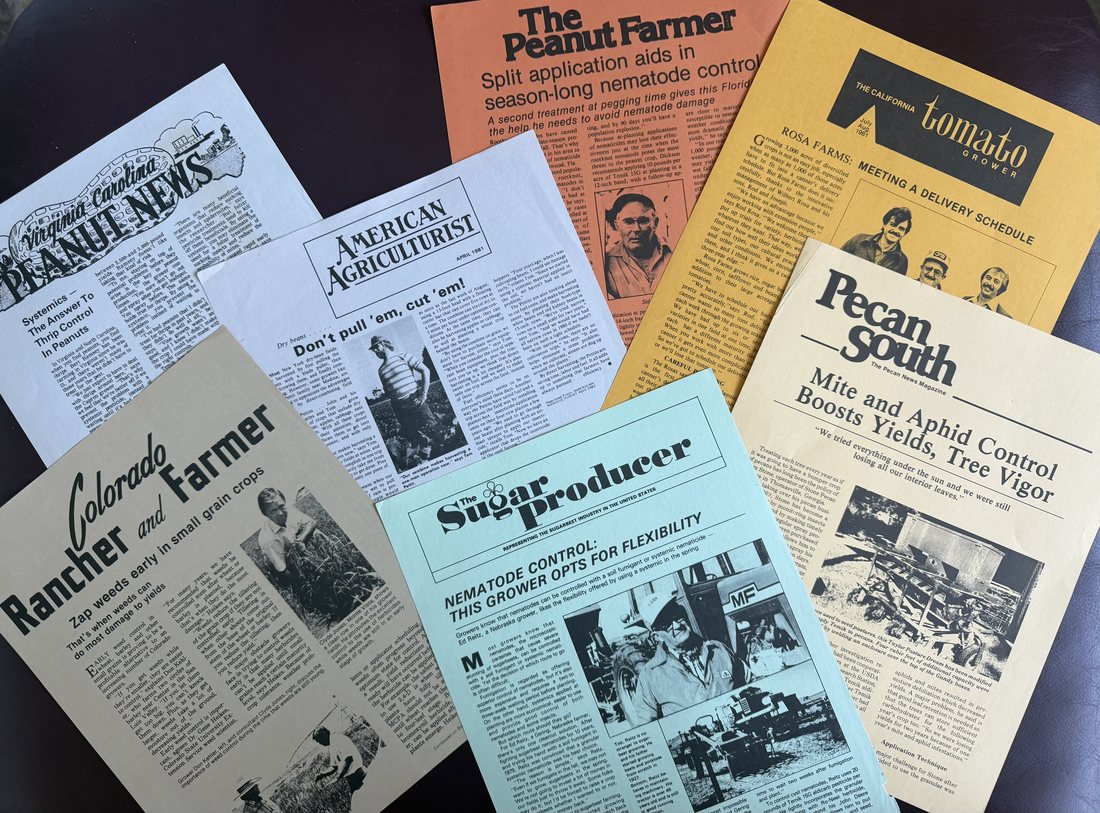
My first assignments took me far from Manhattan’s skyscrapers. Armed with a camera and notebook, I traveled throughout America interviewing farmers, photographing their operations, and writing stories for dozens of agricultural publications such as California Farmer, Pecan South, and Soybean Digest. Those assignments eventually carried me through thirty-seven states and three Canadian provinces and introduced me to an extraordinary cross-section of people, places, crops, and ways of life.
Over the decades my titles changed. Assistant Account Executive. Account Executive. Public Relations Manager. Advertising Manager. Marketing Director. President. Chief Executive Officer.
Throughout my professional life, writing and storytelling remained woven through everything I did. Sometimes I told the story of a corporation. Sometimes I told the story of a product. As my responsibilities grew, I oversaw the stories others told as well, reviewing everything from advertisements and brochures to newsletters, press releases, speeches, and websites. Eventually I found my professional home telling the stories of places: Jekyll Island. Fayetteville. Huntington Beach. Lake Havasu City. Pasco County, Florida.
Every destination possessed many stories it could tell about itself, sometimes a dozen or more. The challenge was deciding which story was the most authentic and offered the greatest potential to distinguish it from every other place competing for attention. Research helped guide the choice. In destination marketing parlance, this was part of the process of creating a memorable, lasting “brand.”
That process eventually led me into the extraordinary civic drama surrounding Surf City USA. For years I stood inside boardrooms, council chambers, executive sessions, and public meetings watching history unfold one conversation at a time. I witnessed ambition wrapped in public service, genuine leadership mixed with personal ego, and noble intentions colliding with political reality. After I resigned, I knew I had lived through enough human conflict to fill a novel.
Life, meanwhile, kept writing chapters I never would have imagined for myself. In 2019, I was diagnosed with Stage IV melanoma. Immunotherapy gave me back my life, but the experience changed my relationship with time. I became far less interested in postponing things that mattered. I traveled more, explored more, and became increasingly aware of the stories I still wanted to tell.
Over the next several years, I returned seriously to studying fiction, took graduate creative writing courses, attended workshops, and continued working on stories and manuscripts of my own. I was still learning the craft and hadn’t finished a novel I was satisfied with, but writing was becoming an increasingly important part of my life.
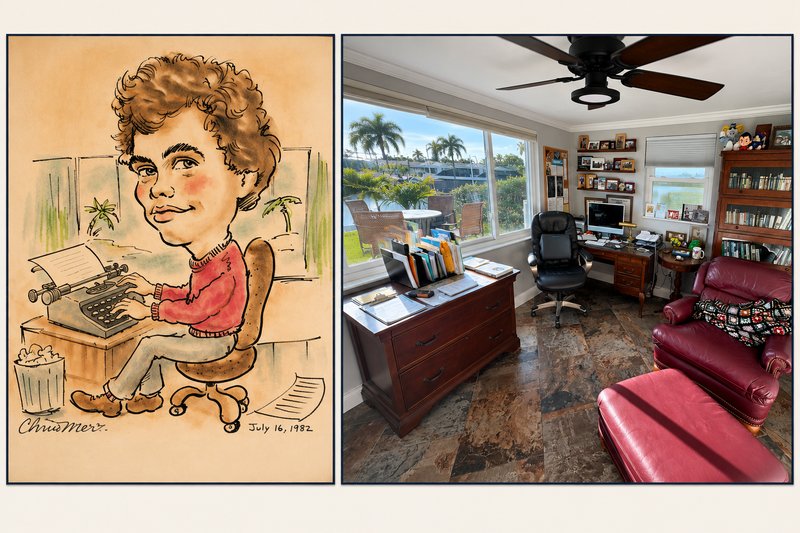
Then Hurricane Helene flooded my home in 2024. For fourteen months I rebuilt walls, floors, furniture, photographs, and finally my writing studio. When everything was finished, I looked up. Outside my window stood palm trees overlooking a quiet canal. Inside sat my desk. On the wall hung a caricature drawn more than forty years earlier of the novelist I imagined I might someday become, seated at a typewriter in a room remarkably like the one I had just rebuilt. The rooms were almost identical. Only the typewriter had become a computer. I laughed out loud.
Apparently dreams are patient.
Just before the hurricane struck, I accepted what I thought would be a simple assignment: chairing my fiftieth high school reunion. It became one of the most meaningful writing projects of my life. I wrote monthly newsletters. I compiled a 257-page memory book and listened to hundreds of stories from classmates I had known since childhood. Something unexpected happened. I rediscovered the joy of writing for people I love.
I also rediscovered the sustained concentration I would need if I was ever going to finish a novel I wanted to see published. For more than a year, rebuilding the house and organizing the reunion consumed nearly every available hour. Somewhere in that exhausting stretch, I reawakened the animal spirits which had been dormant for so long, a wild enthusiasm and unbridled passion that made sleep seem like an unnecessary chore.
During the reunion I made myself a promise. When the flood was behind me and the reunion was over, I would finally finish the novel I had carried inside me for eighteen years. This time there would be no excuses.
In January 2026, I opened the manuscript and its original plot outline and began again, discarding more than one-third of what I had written. Then I rewrote every scene and every chapter. On April 25, the new draft stood at 102,401 words. But I wasn’t finished. Over the next two and a half months, I worked through five more complete drafts, cutting more than 20,000 words and rewriting some scenes dozens of times. By July, after years of carrying the story and months of nearly uninterrupted work, The Quest for Surf City was finally a novel I was ready to put into other people’s hands.
Why did I finally finish it after carrying the story for eighteen years? Perhaps because, at last, I had become willing to give writing the place in my life I had imagined for it when I was eleven. The journalism, the corporations, the destinations, the people I had met, the cancer, the flood, the reunion… none of it had been wasted time. Without realizing it, I had been accumulating experience, characters, places, conflicts, and stories.
After spending more than forty years telling other people’s stories, I have finally begun telling my own.
I am only getting started.
Beyond the Page
I have never been particularly good at sitting still.
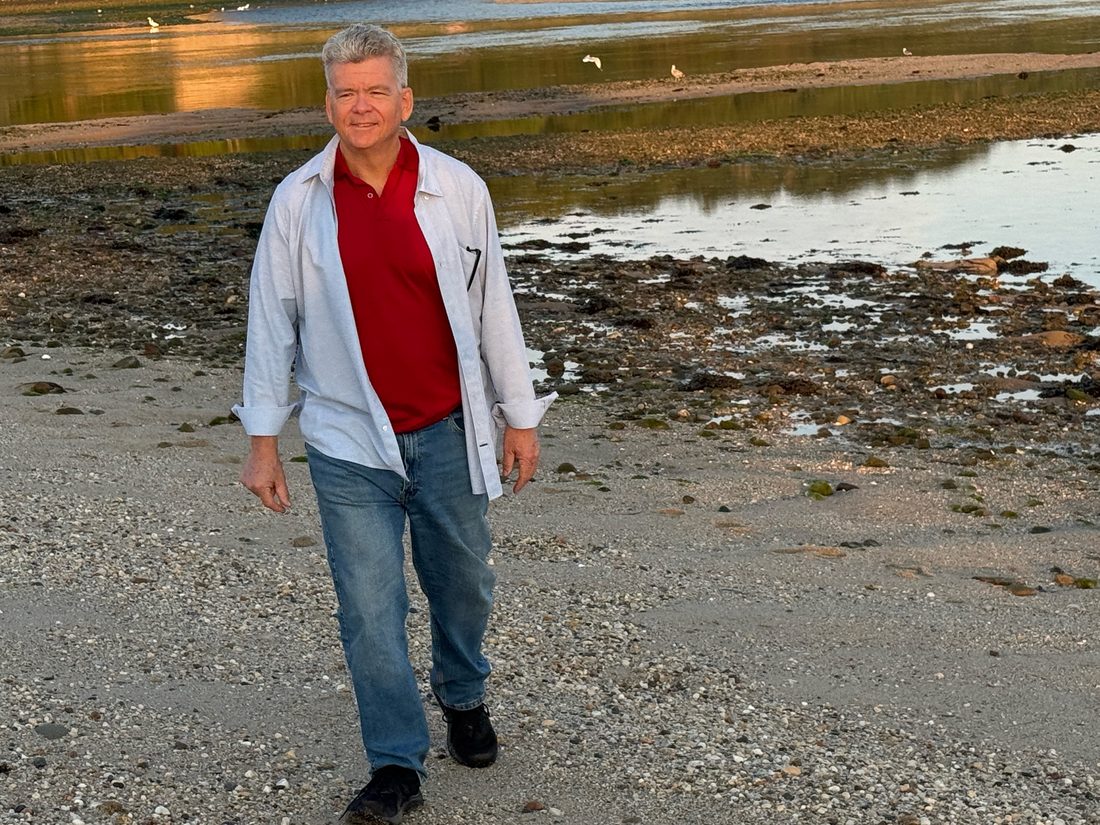
When I am not writing, I am usually moving. I run eight miles and swim two miles each week, train regularly for strength, balance, and coordination, and spend as much time outdoors as Florida weather permits. I live near the Gulf of Mexico, where my boat waits on a lift behind my home for trips to the sandbar, fishing runs for spotted seatrout and redfish, or simply an excuse to spend an afternoon on the water. When I can, I trade the boat for a kayak and paddle the Weeki Wachee River with my brother David or explore the mangroves closer to home.
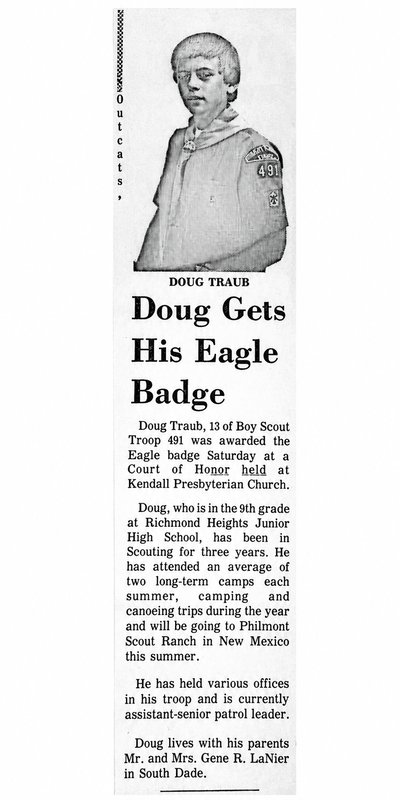
My attachment to the outdoors began early. I grew up exploring the woods, rivers, and beaches of Long Island and later became an Eagle Scout. Scouting taught me to be comfortable in wild places, but it also gave me an enduring appreciation for preparation, perseverance, service, and the satisfaction of discovering what lies around the next bend. Years later, when I returned to Scouting as an adult, I helped to build what became the largest Boy Scout Troop in Atlanta. Together, we explored every state park in Georgia.
My curiosity eventually carried me much farther. I have visited thirty-eight countries, with a particular affection for Europe, and have always preferred experiencing a place to simply passing through it. Some of my favorite journeys have been on foot. I have led ten backpacking trips into the Grand Canyon, climbed Half Dome three times, and hiked the John Muir Trail.
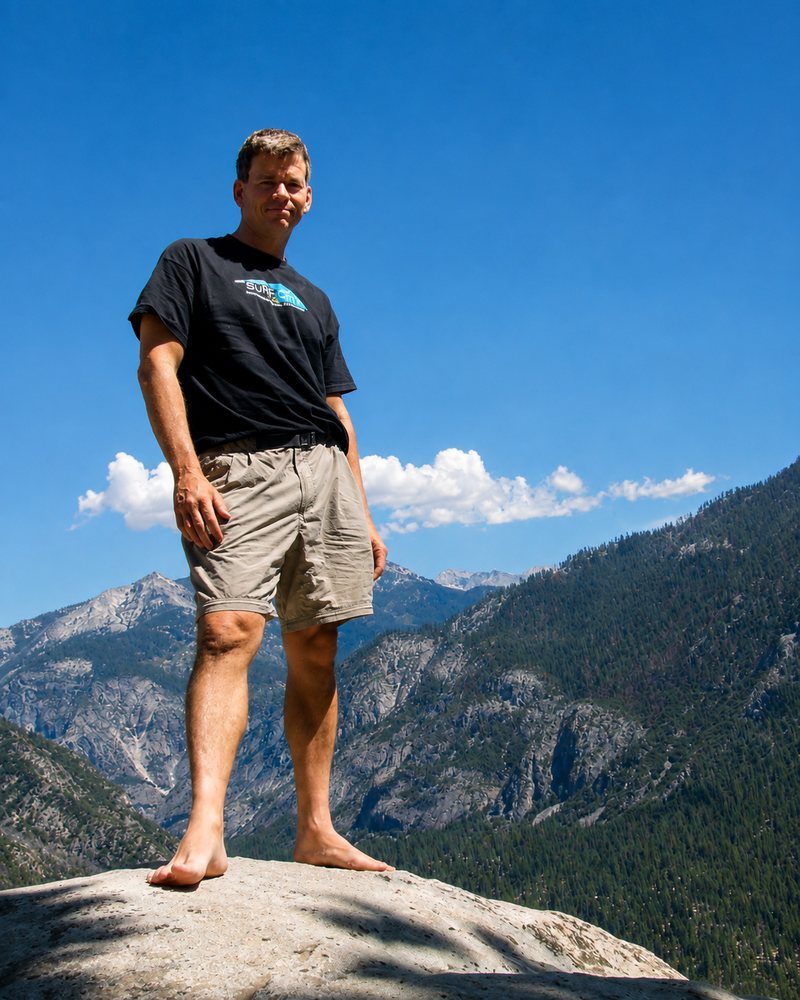
Some journeys end. Others simply begin a different chapter.
These days, adventure does not always require a passport or a backpack. I am just as happy watching a Star Trek episode, reading a good book or magazine, barbecuing something on the grill, volunteering for a cause I care about, or spending time with family and friends. Some of life’s pleasures don’t require going anywhere at all.
Current Work
LaNier is revisiting more than forty short stories written across several decades, refining selected pieces for submission to literary journals while continuing to develop new work.